


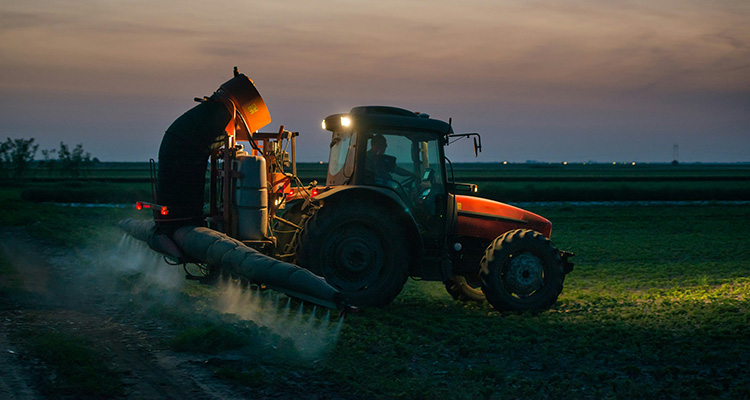

An agriculture business can leverage asset finance to acquire essential operating equipment and machinery without the need for significant upfront costs. By using this facility, businesses can better manage cash flow, preserve working capital, and ensure access to the latest technologies to maintain productivity.
There are several ways that a farm or agriculture business can effectively use asset finance:
Purchase of Machinery and Equipment
Arguably the most important aspect of any agriculture business is its heavy-duty machinery and equipment, such as tractors, combine harvesters, balers, sprayers, plows, and irrigation systems. Asset finance can help with:
- The purchase or lease of new equipment, often with little or no upfront cost, with repayments structured over a set period of time.
- Investment in the latest technology to increase efficiency and improve productivity.
- Boosting cash flow so that operational funds can be maintained while investments in new equipment continue.
Case Studies: The NGI team recently supported a tree surgeon with the purchase of a tractor valued at £400K. We also provided funding for a crop sprayer worth £335K and supported a business in the South East of England with £79K for a digger and forklift truck.
Development of Land and Infrastructure
Asset finance can help improve the infrastructure of a farm by:
- Building new or upgrading existing facilities such as barns, growing houses, greenhouses, storage systems, and processing units.
- Investing in state-of-the-art irrigation systems to improve water usage efficiency.
- Installing renewable energy sources such as solar panels, heat pumps, and wind turbines to reduce long-term energy costs and demonstrate best environmental practices.
Investment in New Vehicles
Transport and logistics are crucial elements of an agriculture business, and asset finance plays a major role in:
- Purchasing commercial vehicles such as trucks, vans, and refrigerated vans for the transportation of goods and produce.
- Acquiring specialised farm vehicles such as ATVs, SUVs, 4x4s, and trailers.
Seasonal Needs
Farming is a highly seasonal business, and operating needs can change with the seasons. Asset finance can help with:
- Short-term leasing of specialist equipment needed only at certain times. For example, during harvesting, additional machinery might be required, especially if bad weather is predicted.
- Scaling operations up and down to meet seasonal demand, which is important for capitalizing on growth periods.
Livestock
Animal and dairy farms are vital components of the agriculture sector. The use of asset finance is beneficial for:
- Purchasing new livestock, with the benefit of spreading the cost over a set period.
- Investing in high-quality breeding stock to support ongoing breeding programs.
Utilising Technology and Software
Modern agriculture, like every business, must continually evolve and embrace new technology and software solutions. This is made easier through asset finance:
- Purchasing precision farming tools for efficiency, such as GPS systems, drones, growing technologies, and data analytics software.
- Investing in new farm management software to improve the management of farm operations, finances, and logistics.
Why Asset Finance is Crucial for Agriculture Businesses
Asset finance is vital for agriculture businesses as it helps preserve working capital, manage cash flow, invest in new technology and equipment, boost productivity, adapt to market changes, and take advantage of tax benefits on specific initiatives.
If you need help with any aspect of asset finance, our specialist agricultural business finance team can assist you. You can call them on 01993 706403 or email enquiries@ngifinance.co.uk.