


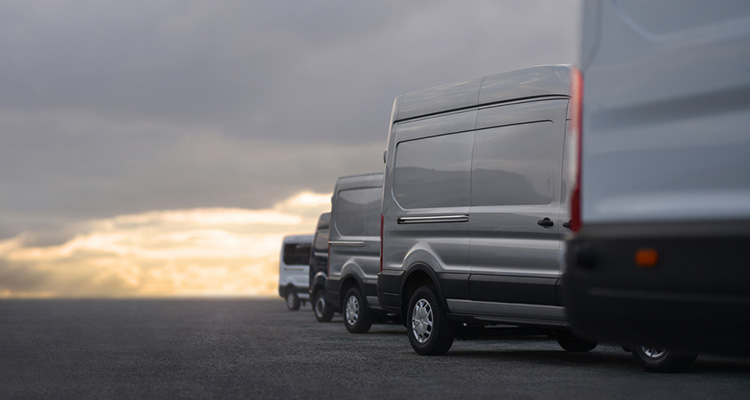

When a business recognises the need to invest in a commercial vehicle, they can quickly become overwhelmed in how to proceed. There are several options to be considered; do you opt for a new or second-hand vehicle, what engine size do you need, what type of vehicle would be best for the business, what budget is available and how can you access vehicle finance?
Let’s explore these areas in more detail.
New or used?
It’s a simple choice, do you want to spend a little more and get a brand-new vehicle with an excellent warranty, but you would have to wait a certain amount of time until the vehicle is available or would spending a little less on a used vehicle which is readily available, be a better option?
Size & Make
The size of vehicle you choose will clearly be based on your specific business needs. You could look at a small general use van such as a Peugeot Partner, Vauxhall Combo, Ford Fiesta Sport Van or Citroen Berlingo. Alternatively, you might need a medium size van for carrying larger goods, examples include Volkswagen Transporter, Vauxhall Vivaro, Citroen Dispatch or Renault Trafic. Next up would be a larger style van (categorised as a 3.5-tonne vehicle) such as a Vauxhall Movano, Citroen Relay, Renault Master or Peugeot Boxer.
Type
Mileage is also an important consideration, especially when comparing the type of vehicle available and their associated running costs. Do you stick with a traditional petrol vehicle or explore those that are more environmentally friendly?
- Petrol / Diesel – the most common choice and most competitively priced
- Hybrid – a mix of petrol and electric technology that offers good fuel efficiency
- Electric – battery powered technology where the vehicle is charged prior to any journey
Budget & Finance
The final decision to make is whether to outright purchase or take advantage of one of the many business finance deals available. To keep a healthy cashflow balance, often the most feasible option is to one of the following:
- Hire purchase – this allows you to agree a monthly payment fee for the vehicle, but full ownership only happens at the end of the term when all payments have been made.
- Contract hire – take advantage of a long-term rental agreement where again you pay a fixed monthly fee for the vehicle but at the end of the contract the vehicle is returned.
- Finance lease – the actual vehicle purchase is made by the lender and you make monthly payments to the lender over the term of the agreement.
- Lease purchase – pay an initial deposit, then a monthly fee for a set duration. At the end of the term, you can outright purchase by paying off the remaining balance of the vehicle.
If you have any further questions or need any form of commercial vehicle finance, then our team would be happy to help. Please call us on 01993 706403 or e-mail enquiries@ngifinance.co.uk.